Seasonal considerations for Wisconsin homeowners
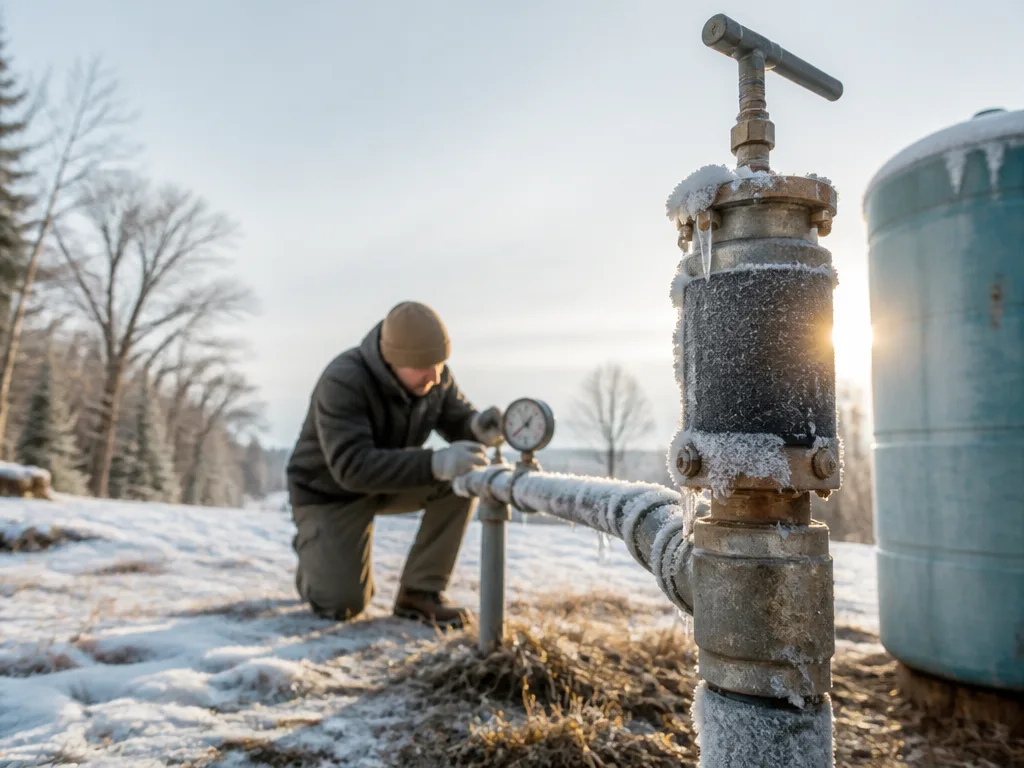
Wisconsin seasons bring freeze risks in winter and sediment shifts in spring. Both can impact a well and its pump. The goal is to keep the system stable and prevent stress on components when temperatures swing or groundwater changes with the seasons.
Winter usually means less outdoor use and more home heating needs. That can affect pressure dynamics if the well has to work harder to keep up. Spring brings rainfall and shifts in groundwater that can stir up sediment. Late summer may bring higher demand when outdoor water use increases. Across Wisconsin, the pattern is steady maintenance and awareness rather than a one-time fix.
Preventive steps you can take
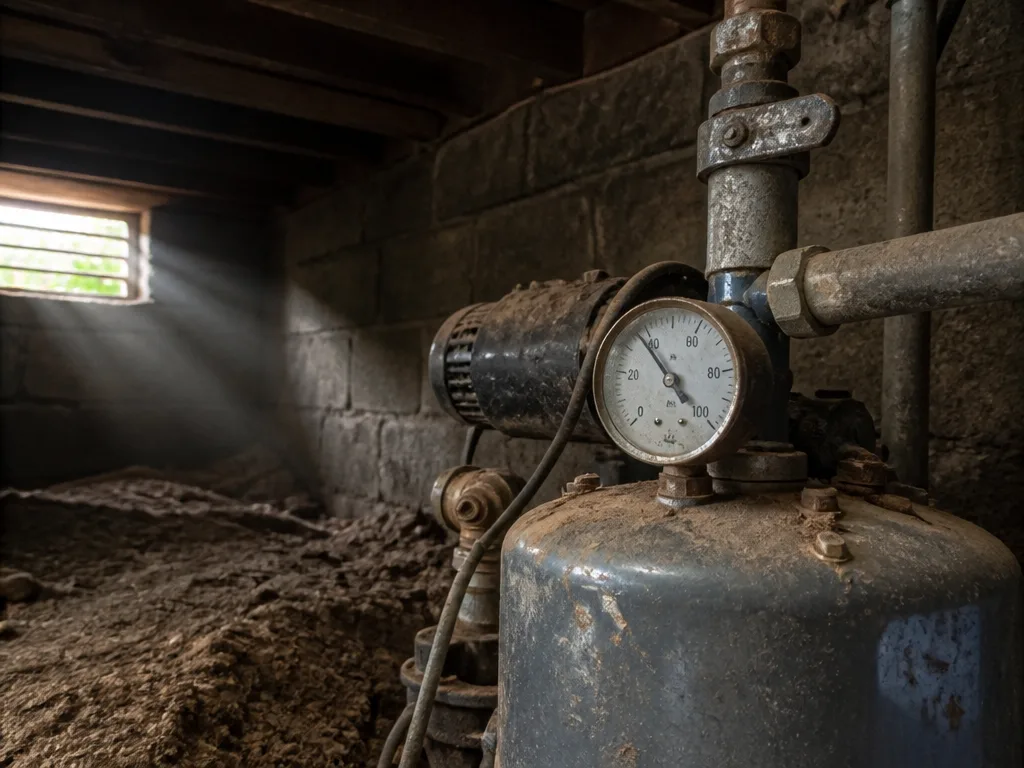
Schedule a seasonal check with a Wisconsin crew. A quick inspection can identify a worn pressure switch, a slow-leaking valve, or a tank that’s beginning to fail. We look for corrosion on fittings, signs of dampness on the ground around the unit, and any odd sound patterns when the pump starts up.
Keep an eye on the pressure gauge and the pump cycle. If you notice pressure bouncing or starting and stopping more often than usual, it’s time for a closer look. Clean air vents and verify venting paths are clear if your system includes them. Proper wiring connections should be checked to prevent arcing or shorts that can crop up in cold weather.
Wisconsin-wide best practices
Use water with care. Spreading out irrigation and laundry use during peak hours lowers strain on the system. If you have a storage tank, ensure the vent remains clear and the tank cap is intact. A simple annual inspection by our crews in Wisconsin can catch small issues before they turn into bigger problems the next season.
Wisconsin Well Pump Repair serves homeowners across the state with practical checks, transparent communication, and options that fit your home and budget. We’ll tailor seasonal guidance to your specific setup so you stay ahead of weather, groundwater, and usage patterns throughout the year.